
This is an article you may want to bookmark in your prepping file. From Madge Waggy at sevenwop.home.blog:

Most people rarely think about where their electricity comes from—until it’s not there. Long-term power outages remain relatively infrequent. But with aging infrastructure, ever-worsening extreme weather events, and geopolitical instability increasing, long-term blackouts are becoming more common. When a long-term power outage does hit, it can create havoc.
The last few years have shown that even long-reliable electrical grids can experience catastrophic problems—leaving many thousands of homes without power for hours and sometimes even days. With global climate change worsening, power outages are poised to become a much more common event in our daily lives.
But just because blackouts are becoming more frequent doesn’t mean you can’t protect yourself. Preparation is critical to surviving a long-term power outage.
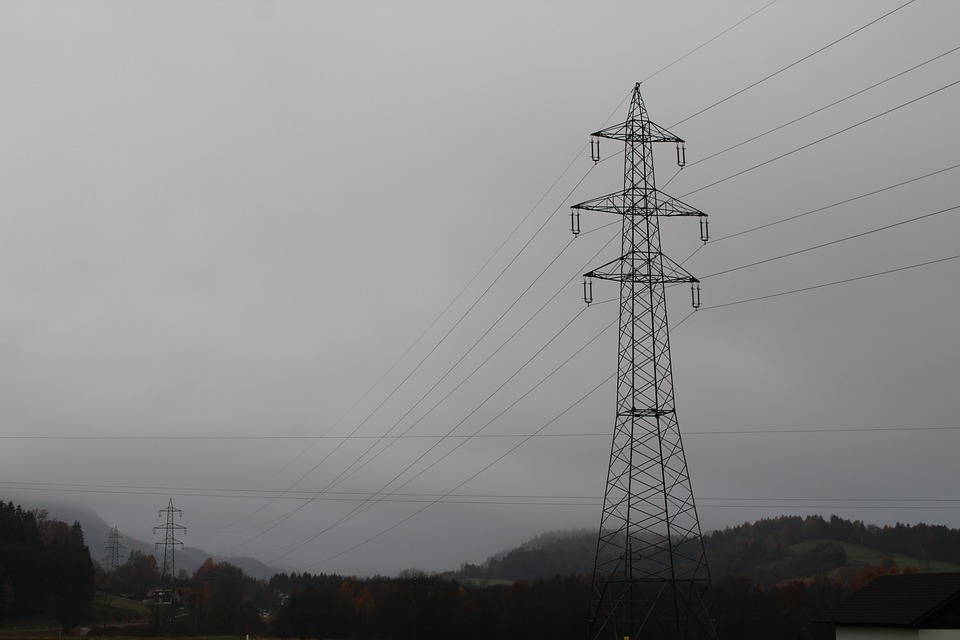
Common Reasons for a Long-Term Power Outage
Power outages can result from a whole catalog of issues, the most common being natural disasters and extreme weather. Weather-related events account for roughly 83% of all power cuts.
- Extreme weather: The most common reason for long-term power outages is when high winds, snow, ice, or extreme temperatures, such as an extended heat wave, arrive.
- Spikes in power demand: During periods of high power demand, usually in either very hot or cold weather, aging electrical grids and infrastructure can struggle to keep up.


